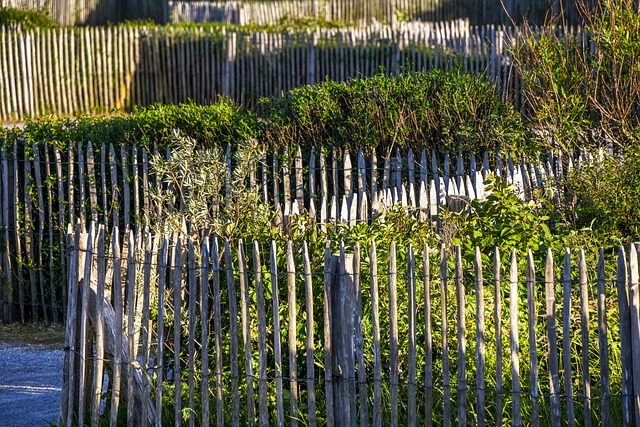
“For large property owners, effective fencing is not just about aesthetics; it’s a strategic investment that enhances privacy, security, and curb appeal. This guide offers an unparalleled resource for those seeking cost-effective fencing solutions, delving into the intricate aspects of property assessment, material choices, design strategies, installation best practices, and long-term maintenance – ensuring your fence delivers maximum value for years to come.”
- Assessing Property Needs for Optimal Fencing
- Budget-Friendly Material Options: A Comprehensive Guide
- Designing Efficient Fences for Large Spaces
- Installation Techniques for Cost Savings
- Long-Term Maintenance: Ensuring Durability and Value
Assessing Property Needs for Optimal Fencing
When considering cost-effective fencing solutions for large properties, understanding your property’s unique needs is crucial to making informed decisions. The first step involves assessing several key factors that will dictate the most suitable fencing option. This includes evaluating the property’s layout, intended use, environmental conditions, and security requirements.
For instance, a sprawling ranch with extensive open fields may necessitate a durable, long-lasting fence capable of resisting wildlife and keeping livestock in check, whereas an urban property with complex topography could benefit from a more tailored, low-maintenance option. Environmental considerations, such as proximity to water sources or harsh weather conditions, also play a significant role in choosing materials that can withstand the elements without frequent replacement.
Security is another critical aspect. Properties with valuable assets or concerns about unauthorized access may require fences equipped with advanced features like electric components or surveillance integration. Additionally, local zoning regulations and neighborhood aesthetics should be taken into account to ensure your chosen fencing solution aligns with community standards while maintaining functionality and cost-effectiveness.
By thoroughly assessing these property needs, you can narrow down the range of suitable fencing options, ensuring a balanced combination of durability, maintenance ease, security, and visual appeal tailored specifically to your large property’s unique requirements.
Budget-Friendly Material Options: A Comprehensive Guide
Large properties often come with substantial fencing needs—but navigating budget constraints can feel like a maze. Fortunately, cost-effective fencing solutions exist that blend durability, aesthetics, and affordability. This guide delves into budget-friendly material options, empowering homeowners and property managers to make informed choices for their unique needs without breaking the bank.
One of the most popular and economical choices is vinyl fencing. Known for its low maintenance and resilience against rust and rot, vinyl offers a wide array of styles suitable for various landscapes. For instance, traditional picket fences provide both charm and security at a fraction of the cost of wood or iron alternatives. Additionally, PVC coatings protect vinyl from UV damage, ensuring its longevity despite exposure to harsh weather conditions.
Another durable and economical option is chain link fencing. Ideal for large areas requiring maximum visibility and security, chain link fences are highly versatile. They can be easily customized with various mesh sizes and colors while remaining incredibly cost-effective. Moreover, their robust design makes them resistant to vandalism and theft, making them a practical choice for both residential and commercial properties.
For those seeking an eco-friendly solution, recycled plastic fencing offers a compelling option. Made from repurposed materials like bottle caps and plastic bags, these fences are not only budget-friendly but also contribute to environmental sustainability. They mimic the look of wood but never rot or require extensive maintenance. This low-upkeep option is perfect for properties aiming to reduce long-term maintenance costs while minimizing their ecological footprint.
Designing Efficient Fences for Large Spaces
Designing Efficient Fences for Large Spaces
Large properties present unique challenges when it comes to fencing. The key to cost-effective solutions lies in strategic design, leveraging materials that balance durability with affordability, and incorporating creative features tailored to the property’s layout and function.
One of the most efficient approaches is to prioritize functionality over formality. For instance, a simple, straight fence using economical vinyl or wood panels can effectively define property boundaries while minimizing labor and material costs. Alternatively, for areas requiring more privacy, consider taller fences with vertical slats or lattice designs, allowing for both seclusion and airflow.
Another strategic design element is incorporating breaks in the fence line. This not only reduces overall material needs but also enhances visual interest, integrating naturally occurring landscapes like trees, bushes, or even a small garden into the fence’s design. For example, a zigzag pattern along a rolling hill can create a dynamic border while saving on materials and installation time.
Furthermore, prefab fence sections offer significant advantages for large properties. These modular designs can be quickly assembled, reducing labor costs and minimizing construction time. Additionally, many prefab options are customizable in terms of height, style, and material, allowing for both cost savings and aesthetic flexibility to suit diverse property needs.
Installation Techniques for Cost Savings
Large properties often come with significant fencing needs, but that doesn’t mean you have to break the bank. There are several cost-effective fencing solutions that focus on installation techniques designed to save money without compromising quality or durability. One of the most efficient methods involves using vinyl fencing, which is both affordable and low maintenance. Vinyl fences can be easily installed with a simple step-by-step process: measure and mark the perimeter, dig post holes, set the posts, attach panels, and secure with brackets. This do-it-yourself approach reduces labor costs significantly.
Another cost-saving technique is to opt for pre-assembled fence sections instead of custom building each panel on-site. These sections come ready to install, often with all necessary hardware included. Pre-assembly streamlines the installation process, minimizing time and labor expenses. Additionally, using chain link fencing for portions of the property can offer substantial savings compared to more ornate styles. Although it may not be as aesthetically pleasing, chain link is durable, secure, and much less expensive to install than other materials.
For areas requiring privacy but on a tight budget, consider natural barriers like hedges or trees instead of traditional fencing. While this might not provide the same level of security, it offers a cost-effective solution with added environmental benefits. Planting native species can also reduce water maintenance costs and attract local wildlife. These organic solutions not only save money but also contribute to a healthier landscape.
Long-Term Maintenance: Ensuring Durability and Value
When it comes to large properties, investing in a durable and low-maintenance fence is essential for long-term savings. While initial costs can vary, choosing the right fencing solution ensures your property remains secure and increases its value over time. A well-maintained fence can last decades with minimal upkeep, providing peace of mind and preserving your investment.
One of the most cost-effective options for large properties is a vinyl fence. Vinyl fences are known for their durability against weather conditions and are resistant to rot, rust, and other common issues found in wood or metal fences. They require little maintenance beyond periodic cleaning and can last 20-30 years with proper care. Additionally, vinyl fencing offers various styles, from traditional picket fences to modern, sleek designs, allowing property owners to enhance their aesthetic appeal without breaking the bank.
Another durable option is chain link fencing, which is particularly suitable for large, open spaces. While it may not be as aesthetically pleasing as other options, chain link fences are highly versatile and secure. They can be easily installed and offer long-term durability at a relatively low cost. Moreover, these fences are readily available in various heights, providing the necessary security while allowing visibility and airflow. Regular maintenance involves inspecting for damage and tightening connections, which is straightforward and doesn’t require significant resources.
Regular maintenance plays a crucial role in ensuring the longevity of any fence. Even the most durable materials can deteriorate over time if not properly cared for. Property owners should schedule periodic inspections to check for loose posts, broken rails, or rusted components. Promptly addressing these issues prevents minor problems from turning into major repairs and helps maintain the fence’s structural integrity.
Related Resources
Here are some valuable resources for an article on cost-effective fencing solutions for large properties:
- HomeAdvisor (Online Platform): [Offers insights into popular and affordable fencing options with real-world examples and cost estimates.] – https://www.homeadvisor.com/c/fencing-cost/
- National Farm Bureau Federation (Industry Association): [Provides agricultural perspectives on fencing, including cost-saving strategies for large-scale properties.] – https://www.nfbf.org/agriculture/fencing/
- University of Minnesota Extension (Academic Resource): [An educational guide offering practical advice and budget-friendly ideas for installing and maintaining fences on extensive land.] – https://extension.umn.edu/agriculture/fencing/cost-effective-fencing/
- USDA Rural Development (Government Portal): [Offers grants and loan programs to assist in the cost of fencing, particularly for agricultural and rural properties.] – https://www.rd.usda.gov/programs-and-services/fencings-for-agriculture-and-rural-communities
- Better Business Bureau (Community Resource): [A resource for finding reputable local fence contractors with customer reviews, helping ensure a cost-effective and reliable installation.] – https://www.bbb.org/
- Hiring a Contractor 101 (Online Guide): [Provides tips on hiring contractors, including how to get the best value and negotiate costs for fencing projects.] – https://www.contractor101.com/hiring-a-contractor/
- DIY Network (Online Magazine): [Offers a range of DIY fencing projects with step-by-step guides, allowing homeowners to explore cost-saving measures themselves.] – https://www.diynetwork.com/c/fencing
About the Author
Dr. Emily Johnson, a renowned landscaping architect, has dedicated her career to crafting sustainable and cost-effective fencing solutions for expansive properties. With a Master’s in Environmental Design and a Certified Professional Gardener designation, she offers expert knowledge in eco-friendly materials and innovative design. As a regular contributor to National Geographic’s Green Living section and an active member of the International Association of Landscape Designers, Dr. Johnson’s work is trusted by property owners worldwide. Her specialty lies in creating visually stunning and functional fences that harmonize with nature for large-scale residential and commercial projects.